Tooting Broadway station rubbish removal guide SW17
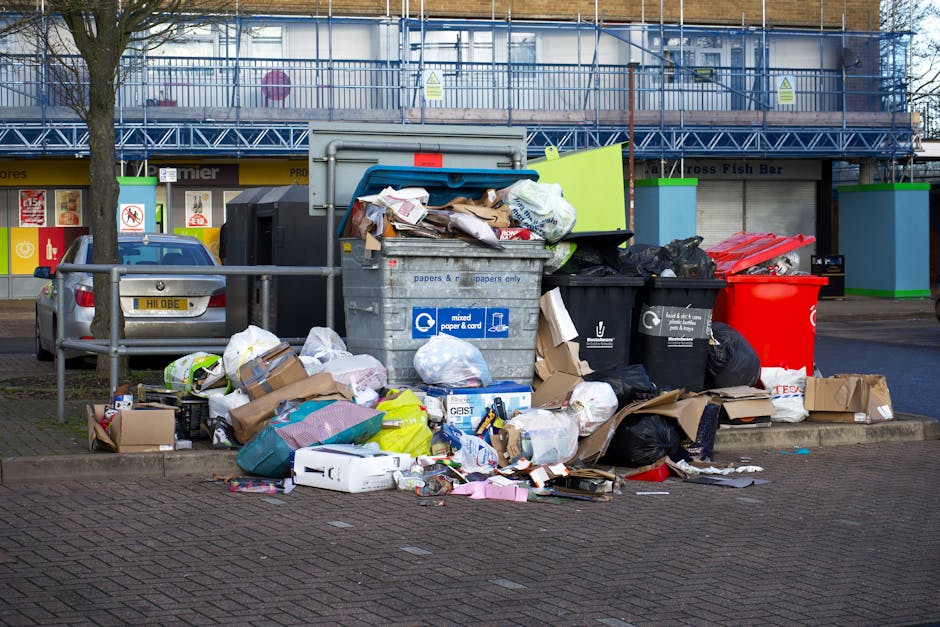
If you are dealing with bags, broken furniture, builders' debris, or an awkward pile of household waste near Tooting Broadway station, you are not alone. This part of SW17 is busy, tight for parking, and always moving. That makes Tooting Broadway station rubbish removal guide SW17 a practical topic, not just a search phrase. The real question is simple: how do you get rid of waste quickly, safely, and without creating a headache for yourself or your neighbours?
This guide walks you through the whole process in plain English. You will learn what rubbish removal near the station usually involves, how the service works, what to watch out for, and how to choose the right option for flats, homes, shops, offices, or renovation projects. A lot of people try to wing it on the day. Sometimes that works. Often, it becomes a small disaster involving blocked pavements, one too many trips, and a van that is the wrong size. Let's avoid that.
For broader household and site clearance needs, it can also help to understand the wider waste removal service options available locally, plus related services such as house clearance and office clearance when your waste is part of a bigger job.
- Why this matters in SW17
- How the process works
- Main benefits
- Who needs it and when
- Step-by-step guidance
- Expert tips
- Common mistakes
- Tools and resources
- Law, compliance and best practice
- Options and comparison
- Real-world example
- Practical checklist
- Conclusion
- Frequently asked questions
Why Tooting Broadway station rubbish removal guide SW17 Matters
Tooting Broadway station sits in a part of London where access can be fiddly. There are busy roads, mixed residential and commercial premises, and lots of people moving through the area every hour. That makes rubbish removal a bit more than just "taking stuff away". You need timing, access, the right vehicle, and a plan for what happens when waste is collected.
Why does that matter? Because waste left outside for too long can cause clutter, complaints, odours, pests, and trip hazards. If you are clearing a flat, replacing furniture, or finishing a refurb, the last thing you want is to be stuck with rubbish because the job was not planned around the local environment.
It also matters for trust. A clean, organised clearance is one of those small things that changes how a property feels. A hallway full of black bags is stressful. A swept-through room after removal feels like a reset. To be fair, that moment of seeing the floor again is often what people remember most.
In SW17, this guide is especially useful for people dealing with:
- flat clearances in blocks with limited access
- shop waste or office clutter near the station
- garden cuttings and domestic clear-outs
- construction or refurbishment waste
- heavy items that are awkward to move alone
If the job is more than a couple of bin bags, it is usually worth looking at a proper clearance approach rather than trying to make it up as you go. A messy start tends to become a messy finish. Simple as that.
How Tooting Broadway station rubbish removal guide SW17 Works
Rubbish removal near Tooting Broadway station usually follows a straightforward pattern, though the details depend on the type and volume of waste. In practice, a good service should make the process feel calm and predictable, not rushed or confusing.
Here is the usual flow:
- You describe the waste. This might include furniture, bags of mixed rubbish, appliances, cardboard, green waste, or builders' debris.
- A size and access assessment is made. This can be based on photos, a brief description, or an in-person look if needed.
- The collection is scheduled. Timing matters near the station because traffic, loading space, and building access can all affect the day.
- The waste is removed safely. Items are carried out, loaded, and separated where possible.
- The load is sorted for reuse, recycling, or disposal. Responsible handling should be part of the process, not an afterthought.
For larger or mixed jobs, the service may overlap with specialist clearance work. A cluttered studio flat might need flat clearance. A garage full of old furniture and odd items may suit garage clearance. Garden waste, unsurprisingly, fits better with garden clearance.
One thing many people overlook: access. Around the station, it is common to face stairs, narrow corridors, basement rooms, or awkward parking arrangements. That means the "cheap" option can become the expensive one if the team turns up with the wrong vehicle or no plan for carrying the items out safely.
Key Benefits and Practical Advantages
There are several real advantages to using a structured rubbish removal service near Tooting Broadway station. Some are obvious, some are easy to miss until you are halfway into the job and regretting your life choices.
- Speed: Waste can usually be cleared far faster than if you were doing multiple trips yourself.
- Less disruption: A good team will work around busy local access and minimise time outside the property.
- Safety: Heavy lifting, sharp edges, and awkward items are handled with better care.
- Cleaner finish: The property is left neater, which is especially helpful before letting, selling, or decorating.
- Better waste separation: Reusable or recyclable materials can be sorted more sensibly.
- Reduced stress: You do not have to organise transport, loading, or disposal yourself.
There is also a practical business benefit. If you run a shop, office, or small hospitality space near the station, waste left unmanaged can interfere with staff routines, customer impressions, and health and safety. In that setting, a reliable business waste removal solution is often the better fit than ad hoc disposal.
Expert summary: The best rubbish removal in SW17 is not just the fastest. It is the one that fits the property, the access, the type of waste, and the level of urgency without creating new problems.
Who This Is For and When It Makes Sense
This guide is for anyone near Tooting Broadway station who needs waste removed without a lot of fuss. That may sound broad, but the practical situations are quite specific.
You may need this service if you are:
- moving out of a flat and need the space cleared quickly
- furnishing a property and want old pieces gone first
- clearing an inherited home or a long-unused room
- refitting an office, salon, or retail unit
- doing a DIY or renovation project with builders' waste
- getting rid of large items that will not fit in standard bins
- trying to keep a communal area tidy and safe
Some jobs are simple, like a few black bags and a chair. Others are heavier and more awkward. A mattress that has to be carried down a narrow staircase at 8:15 on a weekday is a different beast altogether. For bulkier domestic items, the relevant service pages such as furniture disposal and mattress and sofa disposal are a better fit than generic waste options.
Truth be told, most people wait until the pile starts getting in the way of daily life. That is usually the right moment to act. When you cannot walk through a room without stepping around something, it is time.
Step-by-Step Guidance
If you want a smoother clearance near Tooting Broadway station, a simple process works best. No drama. No overthinking. Just clear steps.
- Sort what needs to go. Separate rubbish from anything you want to keep. Sounds obvious, but plenty of mistakes start here.
- Identify hazardous or specialist items. Paint, chemicals, fridges, and some electricals should not be treated like ordinary rubbish.
- Take a quick inventory. Count bags, note bulky pieces, and decide whether the waste is mixed or sorted.
- Check access points. Think about stairs, lifts, parking, loading space, and whether there are any time restrictions.
- Choose the right clearance type. For example, builders' rubble may require builders' waste clearance, while office paper waste or files may suit confidential shredding.
- Request a quote based on the real load. Clear descriptions reduce misunderstandings later.
- Prepare the area before collection. Put items in one place if possible. It saves time and lowers the chance of damage.
- Confirm the collection plan. Make sure you know who is coming, when, and what is included.
- Ask what happens after removal. Responsible disposal and recycling should be part of the service, not a vague promise.
- Do a final sweep. Check corners, cupboards, behind doors, and under stairs. Those sneaky little items always hide somewhere.
If you are dealing with a whole-property emptying job, you may find it useful to review broader clearance options like home clearance, house clearance, or loft clearance. These can be especially useful when waste is spread across several rooms rather than sitting in one obvious heap.
Expert Tips for Better Results
Over time, the jobs that run smoothly usually have the same traits: clarity, access, and timing. That is really the secret, if there is one.
- Photograph the waste before booking. A few clear images help avoid under- or over-estimating the job.
- Group items by type if you can. It makes collection quicker and sometimes cleaner from a recycling point of view.
- Leave a clear route to the exit. One blocked hallway can slow everything down.
- Be honest about awkward items. If there is a heavy wardrobe on the third floor, say so.
- Book around your building's rhythm. Mid-morning or early afternoon may work better than peak commuting hours near the station.
- Keep valuables and paperwork separate. It is easy for a useful document to get mixed in with "junk" by mistake.
One practical tip that people often overlook: if you are clearing a flat, check whether the lift is working and whether neighbours may need notice. A ten-minute bit of coordination can save a lot of awkwardness later. And yes, that includes the person who always seems to be moving a bed frame at the exact moment someone wants to leave the building.
For jobs involving older appliances, it is worth using a dedicated fridge and appliance removal service rather than assuming everything can be taken together. Same idea for bulky furniture: matching the service to the item usually leads to a cleaner outcome.
Common Mistakes to Avoid
Rubbish removal seems straightforward until the details start piling up. Here are the mistakes we see most often.
- Leaving it too late: A last-minute rush often means poor access planning and more stress.
- Not checking what counts as mixed waste: Different materials can affect how the load is handled.
- Forgetting specialist items: Fridges, mattresses, and potentially hazardous materials need extra attention.
- Assuming all quotes are comparable: Some prices exclude labour, stairs, or difficult access.
- Blocking the collection route: A tidy stack of waste is one thing; a barricade is another.
- Ignoring recycling and disposal methods: Responsible handling matters, even for ordinary-looking rubbish.
Another easy mistake is not checking the company's safety approach. A service that handles lifting, loading, and transport should be able to explain how it manages risk. If that feels vague, pause. You do not need a lecture, but you do need confidence. Pages such as health and safety policy and insurance and safety exist for a reason.
And please, if it looks hazardous, treat it as hazardous. That is not being dramatic. That is being sensible.
Tools, Resources and Recommendations
You do not need specialist equipment for every job, but a few simple tools make rubbish removal easier and safer. For DIY preparation or smaller clear-outs, these are the basics worth having to hand:
- strong bin bags or rubble sacks
- gloves with a decent grip
- tape or labels for separating items
- dust sheets or an old sheet to protect floors
- trolley or sack truck for heavy items, where suitable
- a torch for dim lofts, basements, or storage cupboards
For information on what can be loaded into standard skips versus better handled through a direct clearance, the guide on what can go in a skip can be a useful reference point. It helps people compare options before they book anything.
If you are trying to budget, you may also want to look at pricing and quotes. Clear pricing depends on weight, volume, item type, labour, and access. There is no magic formula, and anyone pretending there is probably has not carried a sofa down a tight stairwell in the rain.
For sustainability-minded customers, recycling and sustainability is worth reviewing as part of your decision. A sensible clearance should aim to divert reusable material where possible and avoid unnecessary landfill use.
Law, Compliance, Standards, or Best Practice
Any rubbish removal in the UK needs to respect basic waste-handling duties. You do not need to become a legal expert, but you should understand the broad picture. Waste should be handled by people who know what they are doing, and hazardous or specialist materials should be treated with extra care.
Best practice usually includes the following:
- keeping waste separated where practical
- making sure hazardous items are not mixed with general rubbish
- using appropriate lifting and loading methods
- avoiding obstruction of public paths, entrances, or shared access areas
- choosing a service that can explain how waste is managed after collection
For business customers, the standards are usually a bit stricter in practice. You may need to protect confidential material, minimise disruption, and keep access routes clear for staff or visitors. In that setting, services such as business waste removal and confidential shredding can be especially relevant.
If a load includes potentially hazardous materials, use the specialist route rather than guessing. Hazardous waste disposal is the safer and more responsible choice when there is any doubt. Better to slow down for a moment than rush into a problem you do not want.
Some customers also look for reassurance around wider company standards. That is fair. It is sensible to review general business commitments such as the about us page, terms and conditions, and payment and security information before booking.
Options, Methods, or Comparison Table
There is more than one way to deal with rubbish near Tooting Broadway station. The best choice depends on volume, urgency, item type, and access.
| Option | Best for | Strengths | Limitations |
|---|---|---|---|
| Self-removal | Very small loads | Low upfront cost, simple for a few items | Time-consuming, physically demanding, multiple trips |
| Skip-style disposal | Predictable bulky waste or renovation jobs | Useful for ongoing projects, works well for certain materials | Requires space and can be awkward near busy streets |
| Man-and-van style clearance | Mixed waste, furniture, quick clear-outs | Flexible, fast, suited to tight access | Needs good load description; not ideal for every waste type |
| Specialist collection | Fridges, mattresses, confidential papers, hazardous items | Safer handling, better compliance, item-specific expertise | May cost more than standard mixed waste |
For many SW17 properties, the most practical option is a flexible clearance service rather than trying to fit everything into a single disposal method. Flat above a shop? One route. Basement office? Another. Small garden with a few bags and a broken table? Again, a different answer. That flexibility is what saves time.
Case Study or Real-World Example
Here is a realistic example from a typical local scenario. A tenant in a second-floor flat near Tooting Broadway station is moving out on a Friday afternoon. The property has a broken bookcase, two chair frames, several bin bags, a mattress, and a pile of cardboard from new furniture. The building has a narrow stairwell, a shared entrance, and limited roadside stopping space.
If they try to handle this themselves, the job becomes a series of awkward lifts, repeated trips, and a lot of apologising to neighbours while balancing cardboard that keeps slipping. Not ideal.
A better approach is to sort the waste the day before, separate the mattress and bulky furniture, and book a collection that can handle mixed domestic rubbish with careful access planning. The collection team can arrive with the right vehicle, carry items safely down the stairs, and leave the flat clear enough for final cleaning.
What made the difference in this example was not brute force. It was preparation. The tenant knew what was going, where it was stored, and which items needed specialist handling. Small thing, big result.
Situations like this are very common across SW17. Another version might involve a small business near the station clearing packaging, old shelving, and outdated stock. In that case, the same principles apply, but the service choice may lean more towards office clearance or business waste removal.
Practical Checklist
Use this checklist before your rubbish removal booking. It keeps things simple, and simple is good.
- Have you sorted keepers from waste?
- Have you identified any hazardous, electrical, or specialist items?
- Do you know roughly how much waste there is?
- Have you checked whether stairs, lifts, or parking may affect access?
- Have you grouped items so they are easy to collect?
- Have you protected floors or walls where needed?
- Have you chosen the right clearance type for the job?
- Do you understand what is included in the quote?
- Do you know how the waste will be handled after collection?
- Have you kept valuables, documents, and personal items separate?
If you are dealing with a very specific item set, it may also help to review pages like furniture clearance, fridge and appliance removal, or builders' waste clearance before you book. Matching the service to the waste is half the battle.
Conclusion
Rubbish removal around Tooting Broadway station is easiest when you treat it like a small logistics job rather than a quick throw-it-away task. Once you factor in SW17's busy streets, mixed property types, and access quirks, a bit of planning goes a long way. The good news is that the process does not need to be complicated.
Know what needs removing, understand whether any items need specialist handling, and choose a service that can work around your property rather than forcing your property to work around the service. That is the real difference between a stressful day and a tidy, efficient clearance.
If you want a cleaner, calmer result, start with a clear inventory and the right service type. And if you are unsure, ask before the waste piles up any further. It really is better that way.
Get a free quote today and see how much you can save.
A good clearance can feel oddly satisfying. One room clear, one load gone, and suddenly the place breathes again.
Frequently Asked Questions
What does rubbish removal near Tooting Broadway station usually include?
It usually includes collection and disposal of general household waste, bulky items, furniture, bagged rubbish, and sometimes light builder-style waste. The exact scope depends on the service and the type of load.
Can I book rubbish removal for a flat with stairs only?
Yes. Flats with stair access are very common in SW17. The main thing is to be clear about floors, access routes, and any awkward turns or narrow landings before the collection.
Is it better to use rubbish removal or a skip?
It depends on the job. A skip can suit ongoing renovation waste, while rubbish removal is often better for mixed items, faster clear-outs, or properties with limited space outside.
What should I do with old furniture?
Old furniture should be grouped separately where possible. For larger items, dedicated services such as furniture clearance or furniture disposal are often the most practical route.
Can fridges and appliances be taken with other rubbish?
Sometimes they can be collected as part of a wider load, but appliances often need specialist handling. Fridge and appliance removal is usually the safer choice for those items.
How do I prepare for a rubbish removal collection?
Sort the waste, keep the access route clear, move items together if possible, and note any items that are heavy, fragile, or unusual. A little prep makes the collection much smoother.
What if my waste includes hazardous items?
Hazardous items should not be mixed with ordinary rubbish. If you are unsure, treat them cautiously and use a specialist hazardous waste disposal route rather than guessing.
Is rubbish removal suitable for businesses near the station?
Yes. Shops, offices, salons, and small commercial units often use it for stock, packaging, shelving, furniture, and everyday waste. Business waste removal is usually the most relevant option in that setting.
How much does rubbish removal in SW17 cost?
Cost varies based on volume, item type, access, and labour. The fairest approach is to request a clear quote with photos or a detailed description so there are no surprises later.
What happens to the waste after it is collected?
It should be sorted for reuse, recycling, or disposal depending on the material. If sustainability matters to you, ask about recycling and sustainability practices before you book.
Can confidential documents be removed safely?
Yes, but they should be handled separately through confidential shredding rather than mixed in with general waste. That protects privacy and reduces risk.
How do I know if a service is reliable?
Look for clear communication, sensible pricing, proper safety information, and straightforward terms. Pages like about us, pricing and quotes, and payment and security can help you judge whether the service feels trustworthy.
What if I am clearing an entire home, not just a few items?
Then a broader clearance service is usually the better fit. Home clearance, house clearance, or loft clearance may give you a more complete and efficient result than a basic rubbish collection.
Can I book online for a collection near Tooting Broadway?
Yes, online booking is often the easiest way to arrange a collection if you already know what needs removing. It is especially handy when you want to sort things out quickly and move on with the rest of your day.
For more information about the company, you can review about us, or if you are ready to arrange a collection, visit book online. If you need to speak with someone directly, the contact us page is there too.